
Streams Don’t Always Mean Success: Understanding the Business of Music Streaming
On: Nov 17, 2026
In today’s music industry, streaming numbers have become one of the most common ways of measuring an artist’s popularity. When a song hits one million streams, fans celebrate, blogs report it, and social media becomes filled with congratulatory messages.
But here is a question many people rarely ask: How much money does an artist actually make from those streams?
The truth is that having millions of streams does not automatically mean having millions in the bank. Behind every stream count is a business process involving streaming platforms, music distributors, record labels, publishers, rights holders and contractual agreements.
For independent artists, especially those trying to establish themselves in Nigeria, understanding this process is just as important as making good music.
Let’s break it down.
1. Understanding How Music Streaming Works
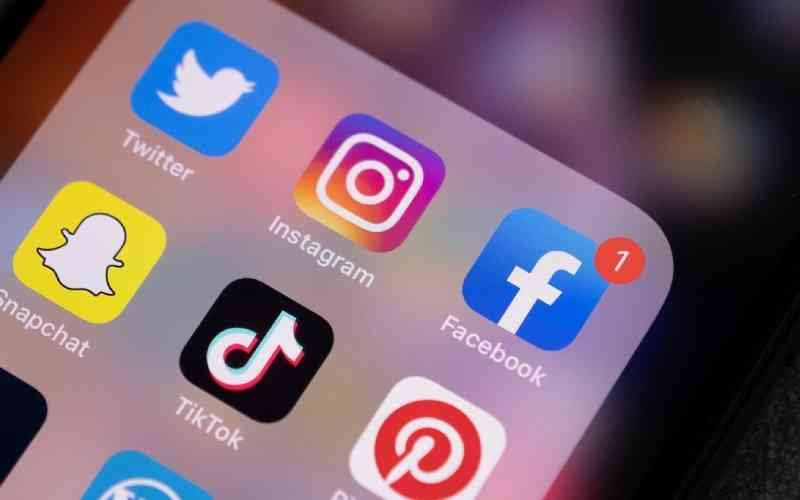
Music streaming platforms such as Spotify, Apple Music, Audiomack, YouTube Music and Boomplay allow listeners to enjoy songs online without necessarily purchasing individual tracks.
Artists make money when their music is streamed, but the process is not as simple as receiving a fixed amount every time someone plays a song.
For instance, Spotify does not pay a fixed amount per stream. Instead, it calculates royalties based on a system called streamshare. This considers an artist’s share of total eligible streams and the revenue generated from subscriptions and advertising.
This means the value of streams can vary depending on several factors, including the listener’s country, subscription type and the platform’s overall revenue.
So, when you hear someone say an artist earns a particular amount for every 1,000 streams, remember that such figures are only estimates, not guaranteed payments.
2. One Million Streams Does Not Mean One Million Naira
One of the biggest misconceptions in the music industry is that streaming numbers directly reflect an artist’s earnings.
An artist with one million streams may earn considerably less than another artist with the same number of streams.
Why?
Because not all streams generate the same value. Where listeners are located, the subscription plans they use and the platform’s revenue all influence royalty calculations.
For example, streams from countries with higher subscription prices may contribute differently to royalty pools than streams from countries with lower subscription prices.
This is particularly relevant to Nigerian artists who have audiences both locally and internationally.
According to Spotify’s 2025 Loud & Clear figures, Nigerian artists generated more than ₦60 billion in royalties from the platform in 2025, with approximately 30.3 billion streams recorded.
While this shows the growing commercial value of Nigerian music, the reported amount represents royalties generated for rights holders, not necessarily the money individual artists received in their bank accounts.
The important lesson is that streaming numbers tell part of the story, but actual earnings tell another.
3. Who Actually Gets Paid When Your Song Is Streamed?
Many upcoming artists assume that streaming platforms pay them directly. In reality, the payment process often involves several parties.
Here is a simplified explanation:
- Streaming platforms: Collect subscription and advertising revenue and calculate royalties.
- Music distributors: Deliver songs to streaming platforms and collect recording royalties on behalf of artists or other rights holders.
- Record labels: May finance, own or control recordings and distribute earnings according to contractual agreements.
- Publishers and collecting organisations: Help administer and collect royalties associated with songwriting and musical compositions.
- Artists and songwriters: Receive their respective shares based on ownership, rights and agreements.
For example, an independent artist who distributes music through a digital distributor may receive royalties after the distributor deducts its agreed fees.
However, an artist signed to a record label may have a different arrangement. The label could recover certain expenses or take an agreed percentage before the artist receives their share.
This is why understanding your music contracts is extremely important.
4. Independent Artists Must Understand Their Rights
Being an independent artist comes with several advantages, including greater creative freedom and potentially more control over your music.
However, independence also comes with responsibilities.
Before releasing a song, artists should understand:
- Who owns the master recording?
- Who owns the songwriting and composition rights?
- What percentage belongs to each collaborator?
- What agreement exists between the artist and producer?
- Who controls the distribution account?
- How will streaming revenue be shared?
Imagine working with a producer who creates the beat, while you write and record the vocals. If both parties have not agreed on ownership and royalty arrangements, disagreements may arise when the song begins generating money.
Do not wait until a song becomes successful before discussing these issues.
Put agreements in writing, keep proper records and understand what you are signing.
5. Think Beyond Your Local Audience
Nigeria has a vibrant music culture, and local support remains extremely important. However, independent artists should also think about reaching listeners beyond their immediate environment.
The Nigerian diaspora and international Afrobeats audience present opportunities for artists willing to explore new markets.
Consider these strategies:
- Collaborate with artists from other countries.
- Create content that introduces your music to international listeners.
- Work with DJs and music curators in different markets.
- Make your music available on recognised digital platforms.
- Build relationships with international music blogs and entertainment communities.
- Use social media to connect with listeners outside Nigeria.
The goal is not to abandon your local audience but to expand your reach.
A song that connects with listeners in Lagos, London, Toronto, Johannesburg and New York has the opportunity to build a wider audience and open additional commercial doors.
6. Don’t Depend on Streaming Alone
Streaming is important, but it should not be the only source of income for a serious musician.
Successful music careers often involve multiple income streams.
Here are some opportunities artists should explore:
Live performances: Concerts, shows, festivals, weddings and private events can generate performance fees.
Music licensing: Artists can earn money when their music is licensed for films, television programmes, advertisements and other productions.
Brand partnerships: Companies may pay artists to promote products or represent their brands.
Merchandise: Branded T-shirts, caps, accessories and other products can create additional revenue.
Songwriting and production: Talented artists can earn from writing songs, producing beats and creating music for other performers.
Digital content: YouTube monetisation and other eligible content opportunities can provide additional income.
The idea is simple: don’t build a career that depends entirely on people pressing the play button.
7. Promote Your Music With Strategy, Not Just Numbers
Getting people to stream your music is important, but attracting genuine listeners should be the priority.
Some artists become so focused on increasing their streaming numbers that they forget to build meaningful relationships with their audiences.
Instead of chasing numbers alone:
- Share the story behind your songs.
- Create engaging short videos around your releases.
- Encourage fans to use your music in their content.
- Build relationships with music bloggers and influencers.
- Perform your songs at events.
- Interact with listeners and appreciate their support.
Remember, a listener who genuinely connects with your music may become a long-term supporter.
This brings us back to something we discussed in our previous article, “How to Build a Loyal Fan Base as an Independent Artist in Nigeria.” We highlighted the importance of building a community around your music rather than simply chasing followers.
The same principle applies to streaming. A genuine fan who repeatedly listens, shares your music and introduces it to others can contribute more to your long-term growth than an inflated streaming figure.
8. Learn to Measure Success Beyond Streaming Numbers
Streaming milestones are worth celebrating, but they should not be the only way artists measure progress.
Other important indicators include:
- Growth in genuine monthly listeners.
- Increase in returning listeners.
- Growth in social media engagement.
- More invitations to perform.
- Increased music sales and licensing opportunities.
- New brand partnerships.
- Growth in international audiences.
- Consistent and verifiable royalty payments.
An artist with 50,000 genuine listeners, a growing performance schedule and multiple income sources may be building a healthier career than someone with millions of streams but no clear business structure.
Success should be measured by both influence and sustainability.
THEREFORE, MAKE MUSIC, BUT UNDERSTAND THE BUSINESS
The music industry has changed significantly. Artists no longer need to depend entirely on record labels to make their music available to the world.
However, having access to streaming platforms does not automatically translate into financial success.
Artists must understand how royalties work, protect their creative rights, build genuine audiences and explore different ways of earning from their talent.
To every upcoming and independent artist, remember this:
Don’t just chase streams; build a music career that can pay you.
At Solid Unique Music, we believe that empowering artists goes beyond promoting their songs. It also means sharing the knowledge they need to make informed decisions, protect their creativity and build sustainable careers. Because in today’s music industry, talent may get you noticed, but understanding the business can help you survive and grow.